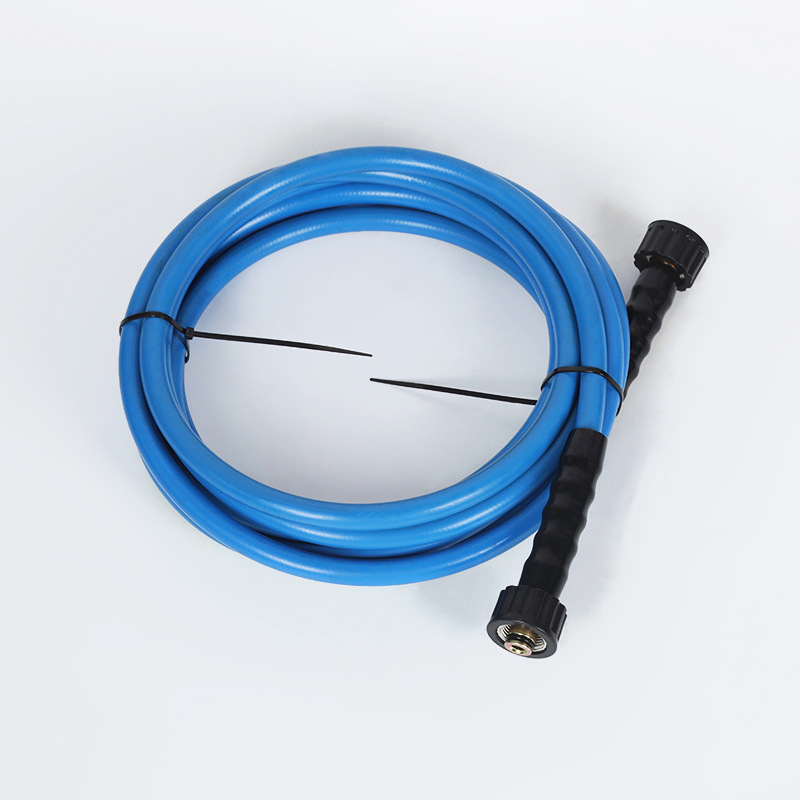
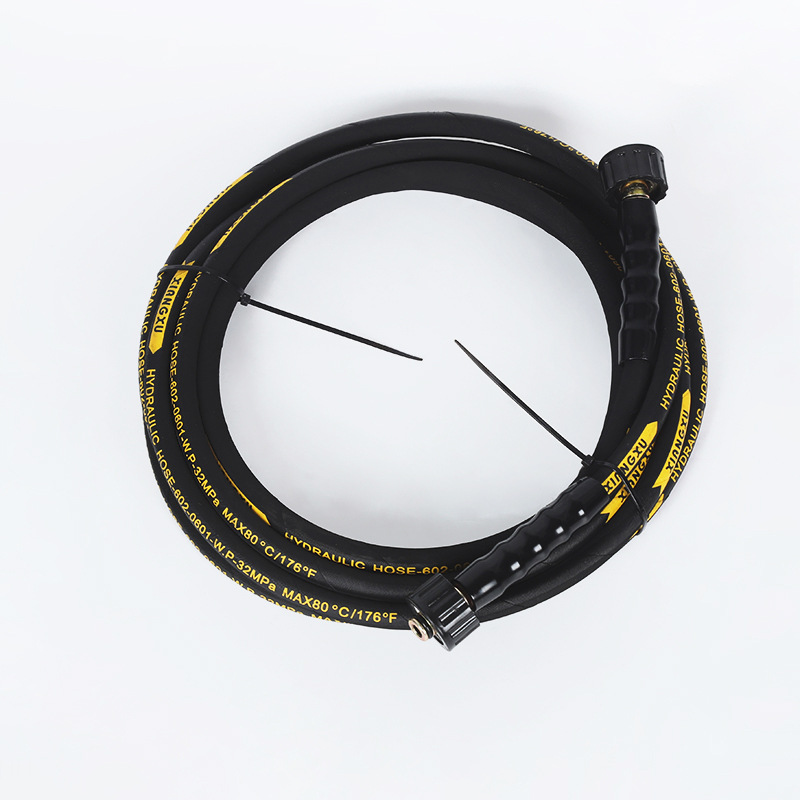
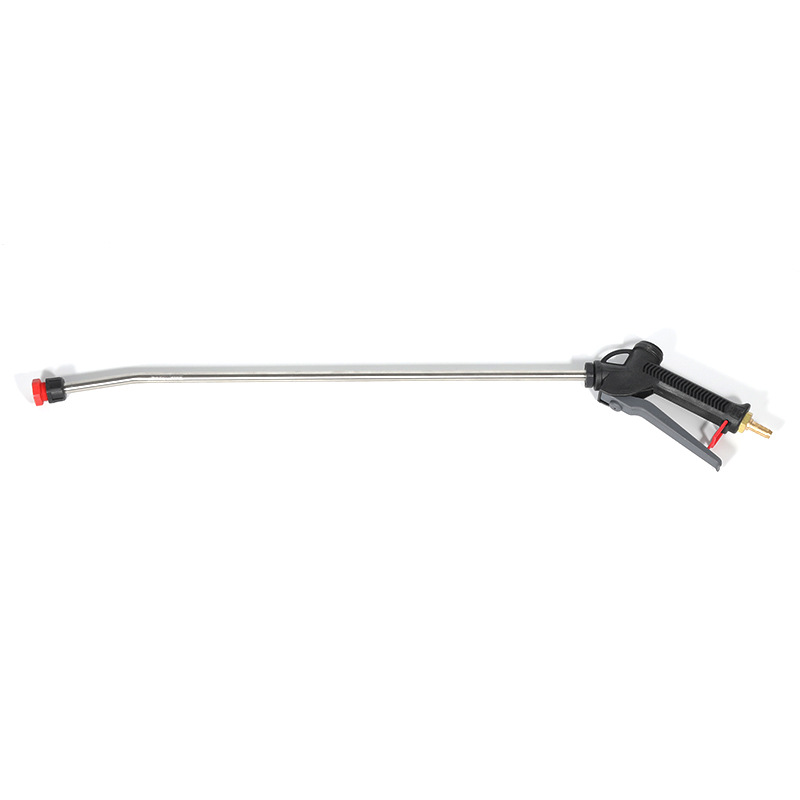
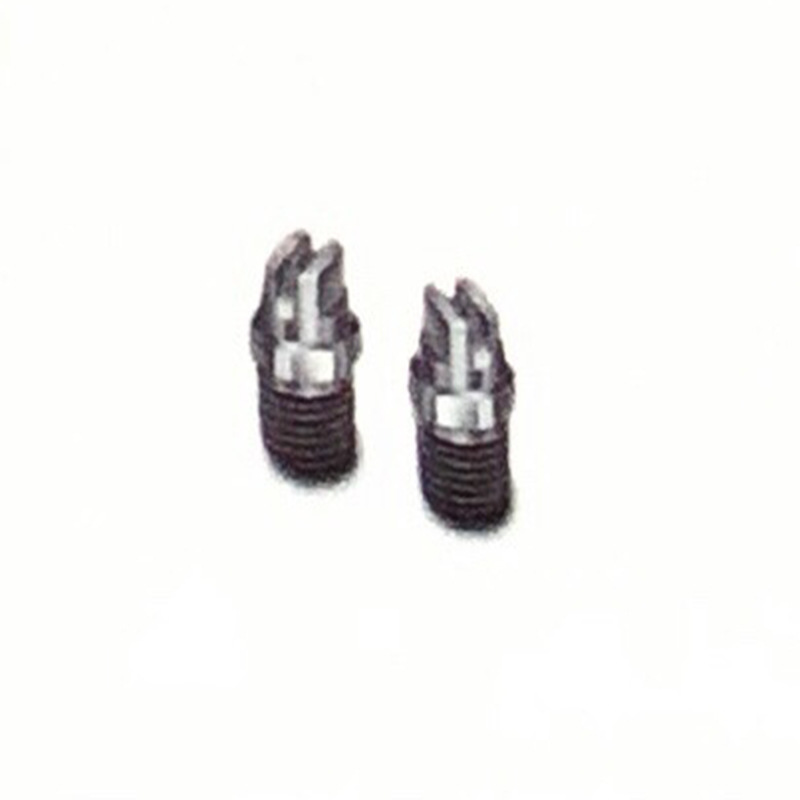
Pressure Washer Accessories
The wand, the hose, and the pump can all be rated correctly — and a mismatched connector still blows the system apart.
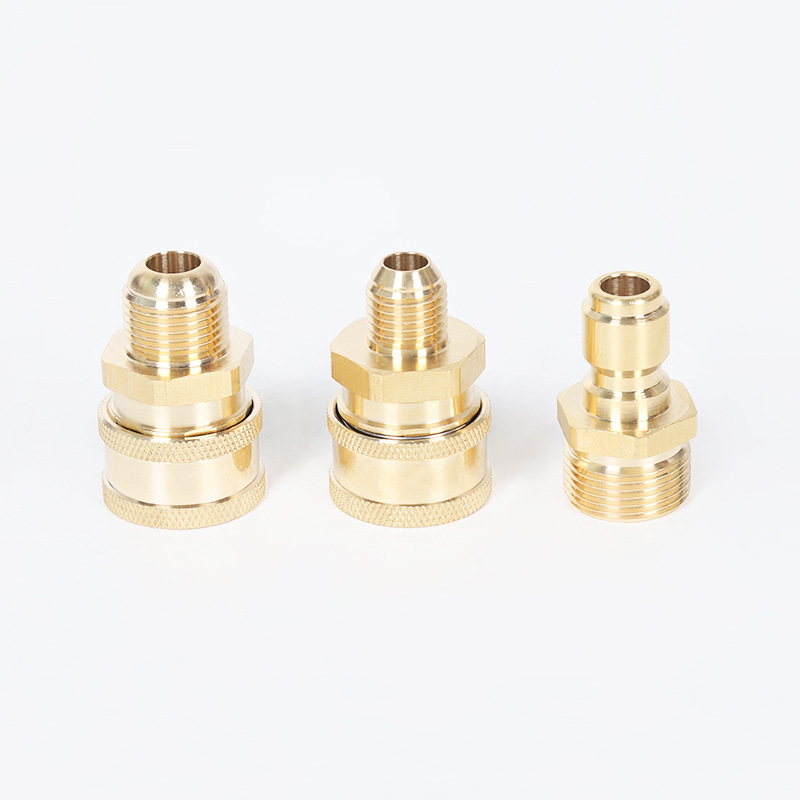
Short answer: a pressure washer connector is the fitting that joins the hose, wand, and pump together, and the right choice comes down to matching three things at once — connector style (quick-connect or threaded), size standard (M22 or 3/8 inch), and a pressure rating that meets or exceeds the machine's PSI output. Quick-connect couplers dominate residential use for speed, while threaded fittings still show up on commercial-grade equipment where a permanent, vibration-resistant seal matters more than swap speed.
A pressure washer connector doesn't look like a part that deserves much thought, until the wrong one turns a five-minute nozzle swap into a soaked, frustrating troubleshooting session. Every pressure washer relies on a chain of connectors — pump to hose, hose to wand, wand to nozzle — and each junction has to hold thousands of PSI without leaking, popping loose, or cross-threading under water hammer. The sections below compare the two dominant connector styles, the sizing standards that cause the most confusion, and how to actually match a connector to a specific machine.
2 standards
Nearly all residential pressure washer connectors use either the M22 metric or 3/8-inch quick-connect sizing standard.
4000+ PSI
Rating commercial-grade brass connectors typically carry, well above the output of most consumer electric washers.
2 seconds
Roughly how long a properly seated quick-connect coupler takes to attach compared to threading a fitting by hand.
Style comparisonQuick-Connect Couplers vs Threaded Fittings: Which Performs Better
Connector style determines how fast accessories can be swapped and how forgiving the fitting is under vibration. Quick-connect couplers use a spring-loaded ball-and-collar mechanism that locks with a push and releases with a collar pull, while threaded fittings rely on matched male and female threads tightened by hand or wrench.
Quick-ConnectPush-Style Coupler
- Attaches and releases in seconds without tools
- Standard on nearly all consumer electric and gas washers
- Ball-lock mechanism can wear over years of repeated use
- Wide compatibility across accessory brands using the same size standard
ThreadedScrew-Type Fitting
- Requires hand-tightening or a wrench to seat fully
- More resistant to vibration loosening over long duty cycles
- Common on commercial and industrial-grade equipment
- Slower to swap between attachments mid-job
Neither style is universally "better" — a homeowner switching nozzles every few minutes benefits far more from quick-connect speed, while a contractor running a machine for eight hours straight often prefers the vibration resistance a threaded fitting provides.
Material comparisonBrass vs Stainless Steel vs Plastic Connectors
| Material |
Pressure Tolerance |
Corrosion Resistance |
Typical Use |
| Brass |
High, commonly rated 3000–4000+ PSI |
Good; resists rust in wet environments |
Standard choice for most residential and commercial connectors |
| Stainless steel |
Very high |
Excellent, including saltwater exposure |
Marine, coastal, or heavy commercial use |
| Reinforced plastic |
Lower, often under 2000 PSI |
Immune to metal corrosion, but UV-sensitive |
Budget accessories, light-duty electric washers |
Plastic connectors aren't automatically a poor choice on a light-duty electric washer running well under 2000 PSI, but pairing plastic hardware with a gas-powered machine rated above its pressure tolerance is one of the more common ways a connector fails mid-job.
Sizing confusionM22 vs 3/8 Inch Quick-Connect: Sorting Out the Standards
Sizing mismatches account for a large share of "my new connector doesn't fit" complaints, mostly because two visually similar fittings follow entirely different standards.
| Standard |
Common On |
Identifying Feature |
| M22 metric |
Most gas and many electric pressure washers |
14mm or 15mm thread bore, often labeled M22-14 or M22-15 |
| 3/8-inch quick-connect |
Common on hose reels, wands, and accessory kits |
Standardized ball-lock diameter across most brands |
The safest way to avoid a mismatch is measuring the existing connector's thread diameter directly rather than assuming based on the machine's brand or power source, since M22 sizing itself splits further into 14mm and 15mm variants that look nearly identical at a glance.
A connector rated well above a machine's PSI output isn't wasted money — it's the cheapest insurance against the one component in the system most likely to fail first under repeated water hammer.
Pressure matchingMatching Connector PSI Rating to Your Machine's Output
- Check the pressure washer's rated maximum PSI on its data plate before selecting any replacement connector
- Choose a connector rated at least 20 percent above that maximum to account for pressure spikes during startup
- Never pair a lower-rated connector with a higher-output machine, even temporarily, since failure under pressure can happen instantly and violently
- For gas-powered units regularly exceeding 3000 PSI, brass or stainless fittings are the safer default over plastic
PlacementWand-End vs Hose-End Connectors: Where Each One Goes
Not every connector on a pressure washer system does the same job, and mixing up wand-end and hose-end hardware is a common source of leaks at the wrong junction.
| Location |
Typical Fitting |
Function |
| Pump outlet to hose |
M22 threaded or quick-connect |
Delivers pressurized water from the pump into the hose |
| Hose to wand |
M22 or 3/8-inch quick-connect |
Connects the flexible hose to the rigid spray wand |
| Wand to nozzle tip |
Quick-connect nozzle coupler |
Allows fast nozzle swaps for different spray patterns |
Sealing techniqueInstalling and Sealing a Connector Without Leaks
- Inspect the O-ring or rubber seal inside the fitting for cracks or flattening before attaching anything.
- Apply thread tape only to threaded fittings, never inside a quick-connect coupler's ball-lock mechanism.
- Push quick-connect fittings together fully until an audible click confirms the ball-lock has engaged.
- Hand-tighten threaded fittings snug, then add a quarter turn with a wrench, avoiding overtightening that can crack brass.
- Run water through the system briefly before use to check every junction for visible leaks under actual pressure.
Failure signsCommon Failure Points and When to Replace a Connector
- Water spraying from the joint itself rather than the nozzle, usually pointing to a worn or missing O-ring
- A quick-connect coupler that no longer locks firmly, often from a worn ball-lock spring mechanism
- Visible corrosion or green discoloration on brass fittings exposed to hard water over long periods
- Cracking around plastic connector housings, especially after cold-weather storage without proper draining